
Rotten Egg Smell and Sulfur Water Treatment
If your water smells like rotten eggs, especially on the hot side, you are almost certainly dealing with hydrogen sulfide. It is common in Michigan wells, it is unpleasant, and it is treatable.
First: is it the water or the water heater?
This is the diagnostic question that saves people money. If the smell is only on the hot side, the problem is frequently a reaction inside the water heater involving the anode rod, not the well itself. That is a much smaller fix.
If the smell is on both hot and cold, it is coming in with the water and needs treatment at the point of entry. We check both before recommending anything.
What hydrogen sulfide is
It is a dissolved gas produced by naturally occurring conditions underground. It gives water a rotten-egg or sulfurous smell that people notice most in the shower, where the gas comes out of solution in the warm air.
Concentration matters. A faint smell and a strong one are treated with different media and sometimes different approaches entirely.
How sulfur is treated
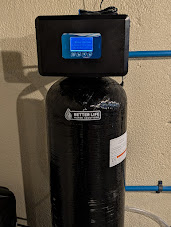
The gas has to be oxidized and then filtered out. Which media does that job depends on the concentration, the pH, and whether iron and manganese are present alongside it — which, in Michigan, they very often are.
The good news is that a single properly specified filtration stage frequently handles iron, manganese and sulfur together, so this rarely means a third tank.
How we evaluate it
We check hot versus cold, run sulfur indicators, and measure iron, pH and hardness at the same time. Sulfur is one of the problems where treating without measuring goes wrong most often — the smell comes back, and nobody knows why.
Pricing
Sulfur treatment is part of a well-water package, which starts around $3,850 installed including a properly sized softener.
High-concentration sulfur can require an additional stage. We measure before quoting and put the complete installed price in writing.
Get My Water Looked At