
Sediment and Cloudy Water
Grit in the faucet aerators, sand at the bottom of a glass, cloudy water that clears from the bottom up. Sediment is a mechanical problem, and it is usually the cheapest water problem to solve — as long as it is actually sediment.
Is it sediment or is it air?
Worth checking first. If you fill a glass and the cloudiness clears from the bottom upward within a minute, that is entrained air and it is harmless. If it settles as a layer at the bottom, or does not clear at all, that is sediment.
Cloudiness that has a color to it — orange, grey — is more likely oxidized iron or manganese than plain sediment.
Where sediment comes from
On a private well, it is usually sand, silt or fine grit drawn in by the pump, and it can get worse as a well ages or after work is done on it. On municipal water, it is typically disturbed material from the distribution line, often noticeable after a main break or hydrant flushing.
How it is filtered
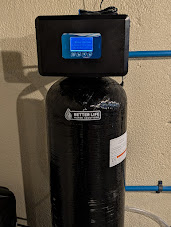
A sediment filter sits at the point of entry and physically traps particles. The micron rating has to match the particle size — too coarse and it passes grit through, too fine and it clogs constantly and drops your pressure.
On well systems it goes in first, ahead of everything else. Its real job is protecting the iron filter, the softener and the RO membrane behind it.
Maintenance is the whole story
Sediment filters are consumables. A neglected cartridge is the single most common cause of a house-wide pressure complaint we get called about, and it is often mistaken for a failing well pump.
Pricing
Sediment filtration is usually included as the first stage of a well-water system rather than quoted alone.
Well-water packages start around $3,850 installed. If sediment is genuinely your only issue, we will quote just the filter rather than sell you a system you do not need.
Get My Water Looked At